Which Smart Features Are Worth Paying For in 2025 and Which Are Just for Show
In 2025, almost every large brand in India represents its devices as smarter than when. LG, Samsung and Haier doubled on connected washing machines. Blue Star even hinted that from next year their entire composition will be turned on Wi-Fi. Even refrigerators are launched with large sensory displays and cameras to control what is inside.
While the options sound futuristic and directly from the science fiction film, the question is whether these functions have a real meaning. Do they really help improve the situation and add convenience for consumers and help save time, energy and money? The answer to this question is not so simple. Last year, I participated in most launches in intellectual devices and connected the home space and tried some of them in reviews or demonstration zones installed by companies. In my observations, some do, solving practical problems and increasing efficiency. Others are more about looking impressive or just another Tic box that brands want to advertise. Here is a complete breakdown of what I feel, and which, which I would be in order, did not have.
Functions that we have found useful
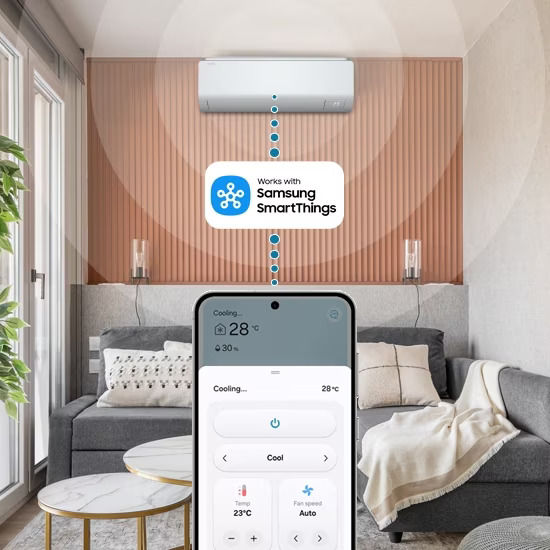
The most useful function in my experience was preventive reminders of maintenance. This is extremely useful for both alternating current and washing machines. ACS that pushes you to clean your filters before they suffocate, retain constant cooling characteristics and avoid unnecessary power use. Washing machines that remind you to launch a drum clean, help to avoid residues of detergents and pile building, which can affect the quality of the washing and spend more water and over time. These reminders save money without the need to actively think about maintenance.
Self-diagnostics is still one clear victory. I tested AC, which can detect when the refrigerant works low or when the air flow is limited. Therefore, even before calling the engineer, I know for sure what happened and avoid overpayment of official guys. Washing machines can determine the drainage problem or signal if the engine is under deformation. These alerts can be transferred to the service service before you boom the complaint, reducing the time you spend in anticipation of the repair. Some brands now offer WhatsApp integration, allowing you to complain with only one click after the diagnosis is launched, what I would also consider.
Indian consumers are extremely aware of their consumption of electricity, and this can be seen from the growth of searches of devices with five -star ratings. In this context, energy monitoring and the use of the budget is the functions that I use, and I believe that most people with smart devices will be interested in them. The ability to see the weekly and monthly use of energy helps me to understand when my air conditioner works longer than necessary, or if my refrigerator door remains open too long.
One of the most advertised points of sale in the devices is the promise that you can turn them on from any place. In everyday life, I do not use all this often, but it can come in handy. A friend uses this in the peak of summer, starting his air conditioning, when on the way home, so that the living room is cool before the guests arrive. I did the same with my washing machine, removing the cycle, so it ends as soon as I return, facilitating immediately cope with linen. This is not the function that you rely on every day, but in the right situations it makes life easier.
Features that seem to be forced
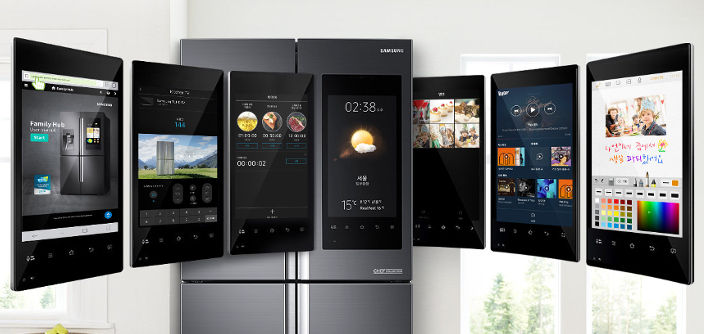
Not everything with connected tags should be paid additional. On the Smart Appliance Showcase, I saw Samsung refrigerator and grocery stores in action in action. They looked impressive, but using them requires you to manually add each element that you put inside and set the date of expiration. After a weekly food launch, I know that I would prefer to relax than to stand there, recording each package of milk, every piece of broccoli and a bunch of coriander. I feel like me, this function will feel with an additional effort without a sufficient amount of return, for most Indian households. Especially given that most people do not even remember that they used a convertible mode in the refrigerator, it really seems too far away.
The modes of AI on technology are currently a mixed bag. I find this mode useful in the case of washing machines, because I am often not sure of the right amount. This avoids waste and guarantees that the quality of washing is agreed. Nevertheless, many people completely avoid this problem using detergents that already contain softening. The compromise lies in the fact that for washing a low load, a detergent is still required, designed for full load, which leads to some waste.
However, in the case of ACS (where the machine solves temperature changes during execution based on internal and external factors), I feel that it is excessive. I tested this twice, and each time setting my own daily temperature schedule worked much better for my comfort and sleep. On my smart conditioner, I programmed it to start at 20 ° C at 9 pm, immediately after lunch, move at 24 ° C at 11 p.m., warm up to 28 ° C at about 3 p.m., so I wake up, feeling too cold, and return to 24 ° C to guarantee that my dream does not break because I am sweating. Now AC follows an accurate routine every night, which gives me predictable comfort, the best control over the use of electricity and settings, which exactly correspond to how I like it to feel. Of all the ACS that I have yet checked, Blue Star and Panasonic offer these planning management elements.
Some premium microwave ovens are now even supplied with an automatic cook. They promise to recognize what is inside and independently adjust the temperature and cooking time. It sounds impressive on paper. However, this is practical? I’m not sure. The reason I feel so is that the sensor in these stoves can distinguish the parties of the Kahori and Shashlykov. But Indian cooking is rarely the process of “recruitment and forget.” Most recipes include several stages, from turning and tossing halfway to adding spices at the right time. In these cases, this type of automation ultimately looks good in the demonstration, but does not do little to replace the practical steps that we are used to, or get the desired taste and crispy that we have grown.
Finally, there are these energy saving modes that enter non -pike times. Some devices, such as robot vacuums, sometimes promise to automatically plan exercises in non -lace hours. This is a neat idea, especially where energy speeds vary in peak time. But without trouble -free integration or solid user control, these automation procedures may ultimately fail to fail, starting things in accidental times or not at all.
Where is it currently worth
Brands work hard to convince customers that the connected functions are now required. Reality is more nuance. The best of them are those that prevent common problems, before they begin, facilitate maintenance and help save energy, time and/or money over time. The rest may look good on paper or in a demonstration, but will fight to become a habit in everyday use.
If you pay a bonus, make sure that this function fits into your lifestyle and solves the problem that you really have. The smart device should be what works for you, and not the one that expects you to get around it.
Fast What smart functions should be paid in 2025, and which are just for the show appeared first MySmartPriceField


